


 Send Inquiry
HEC Natrosol 250 LR
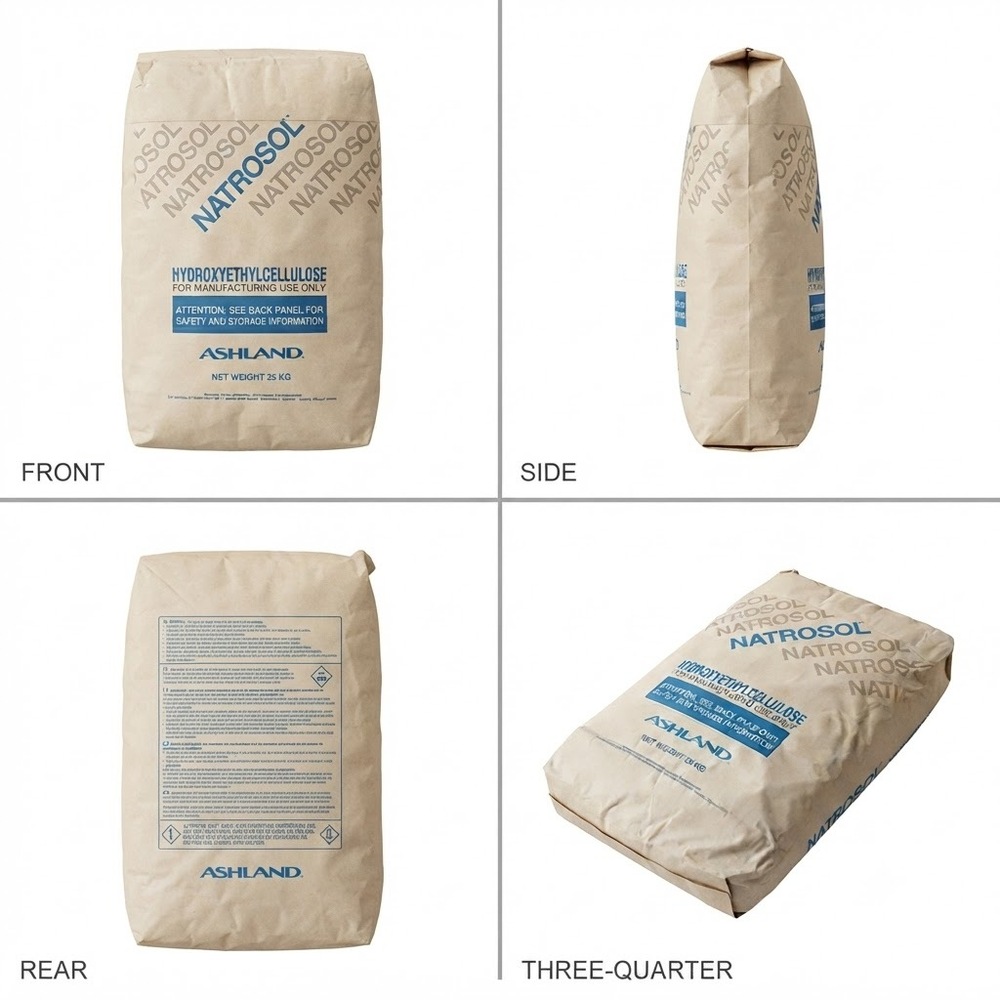
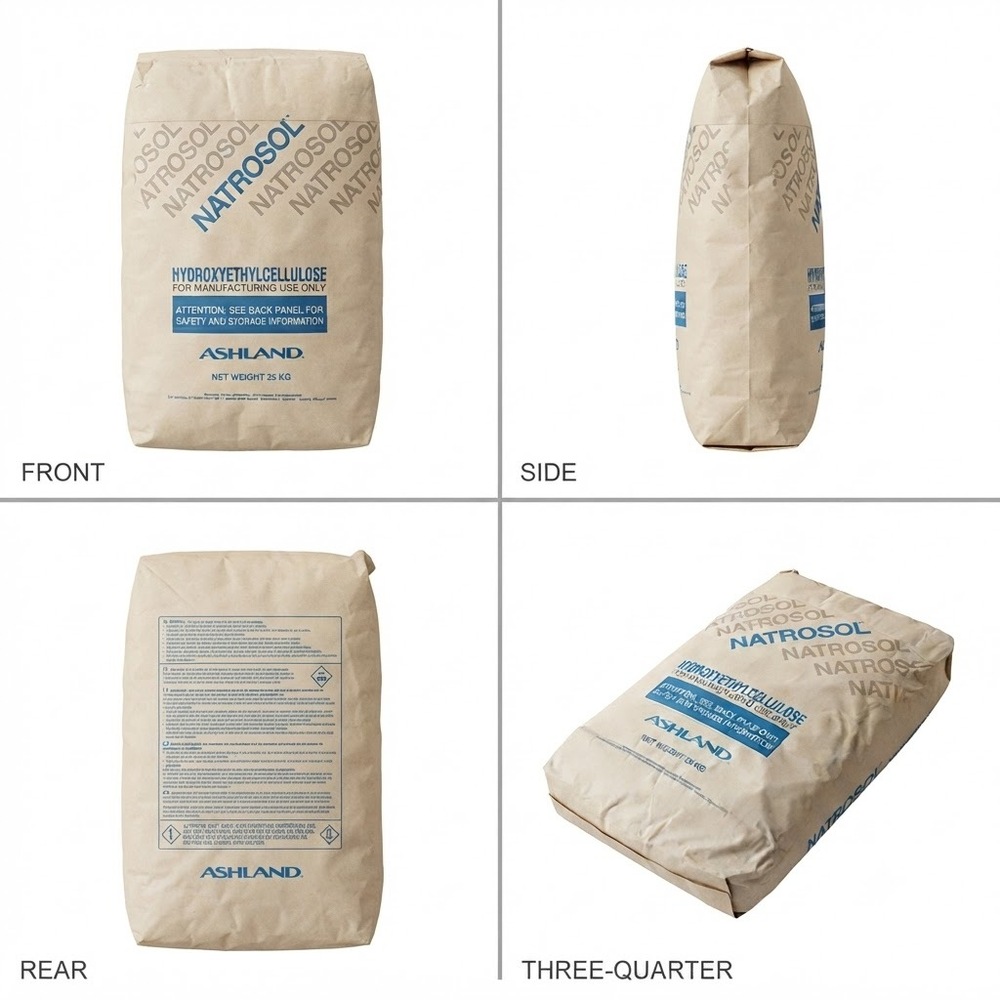
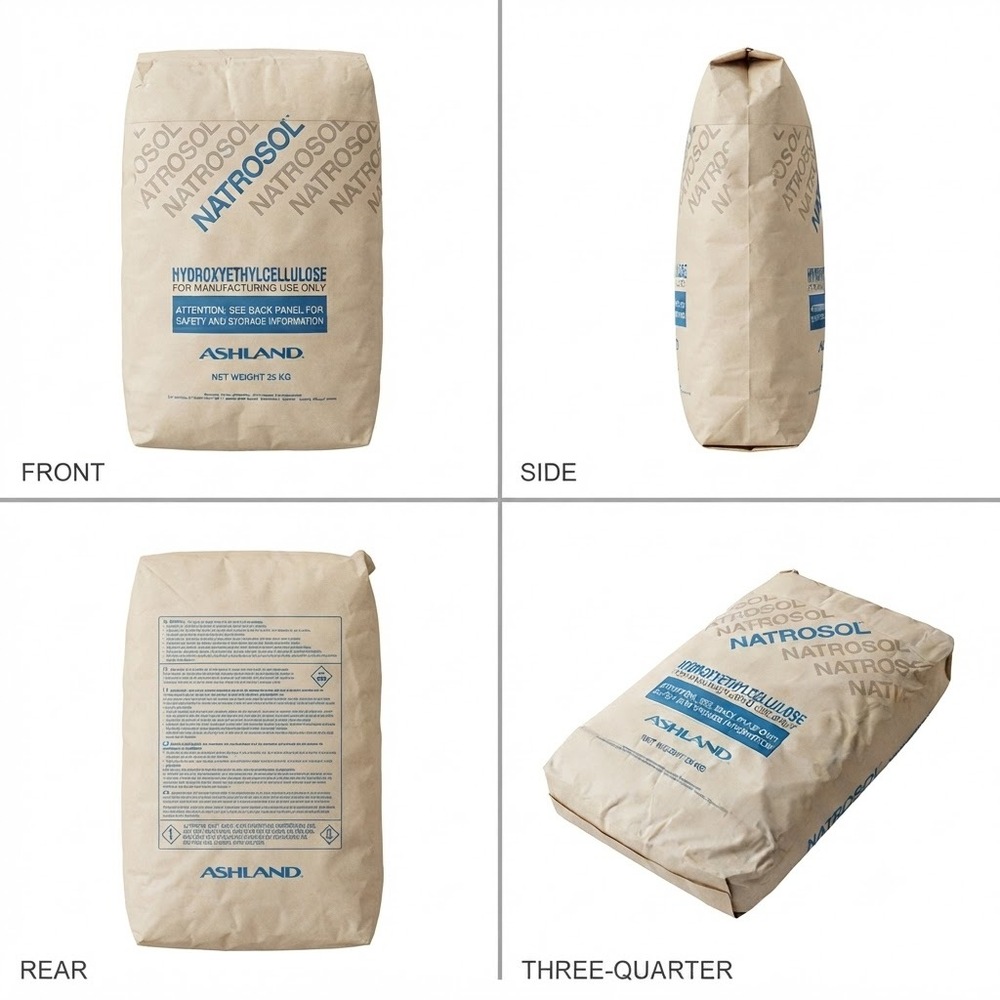
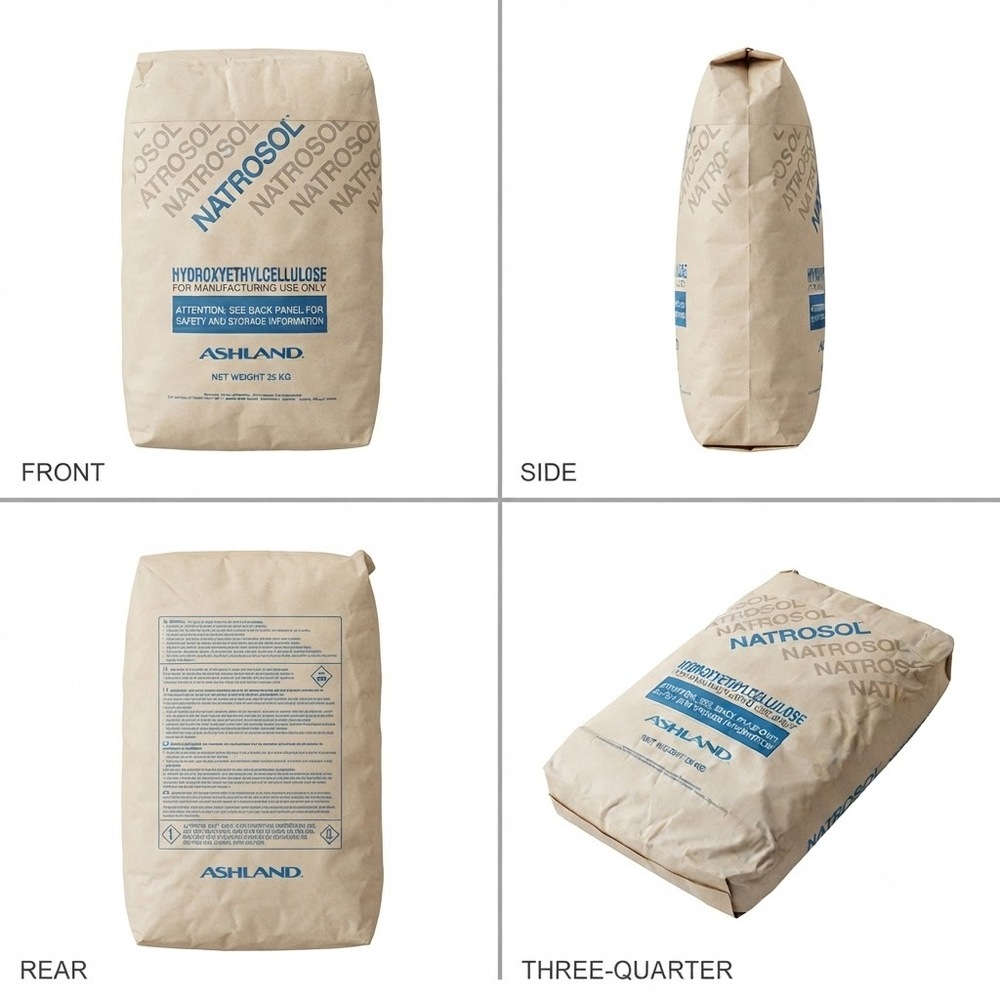
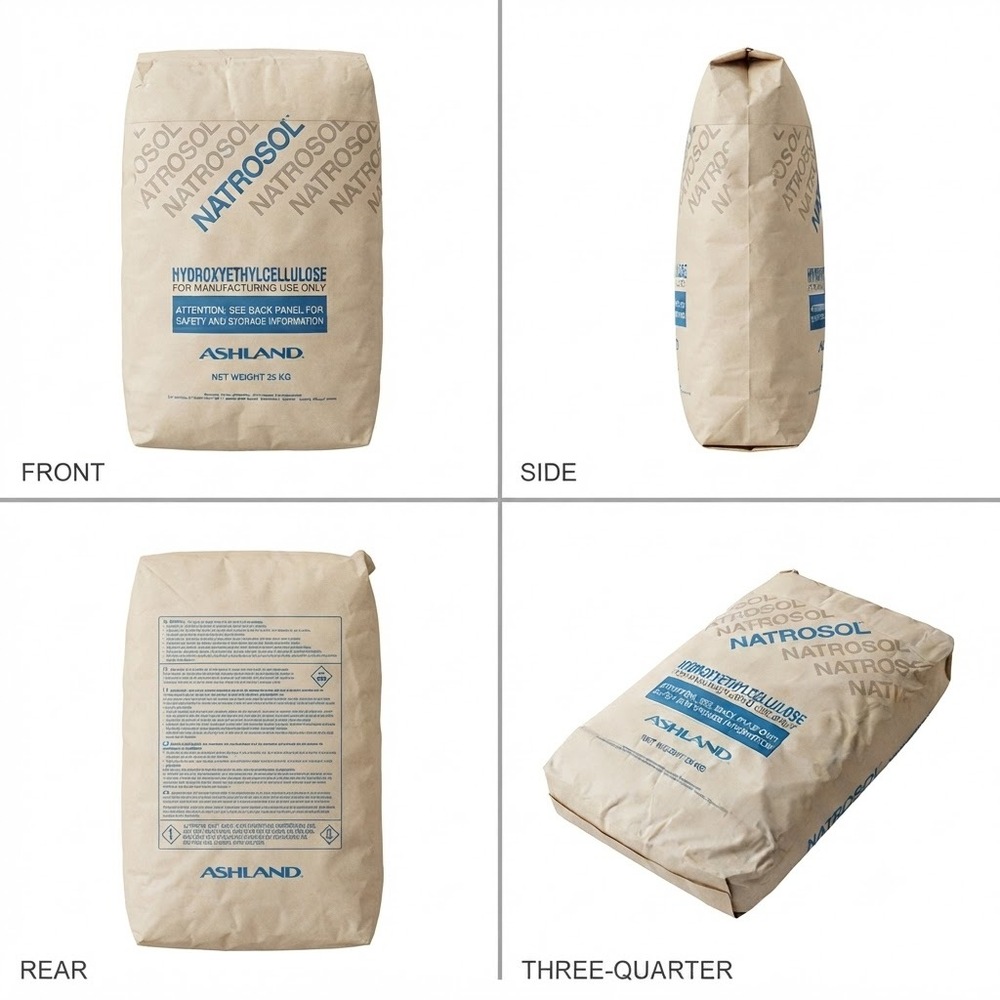
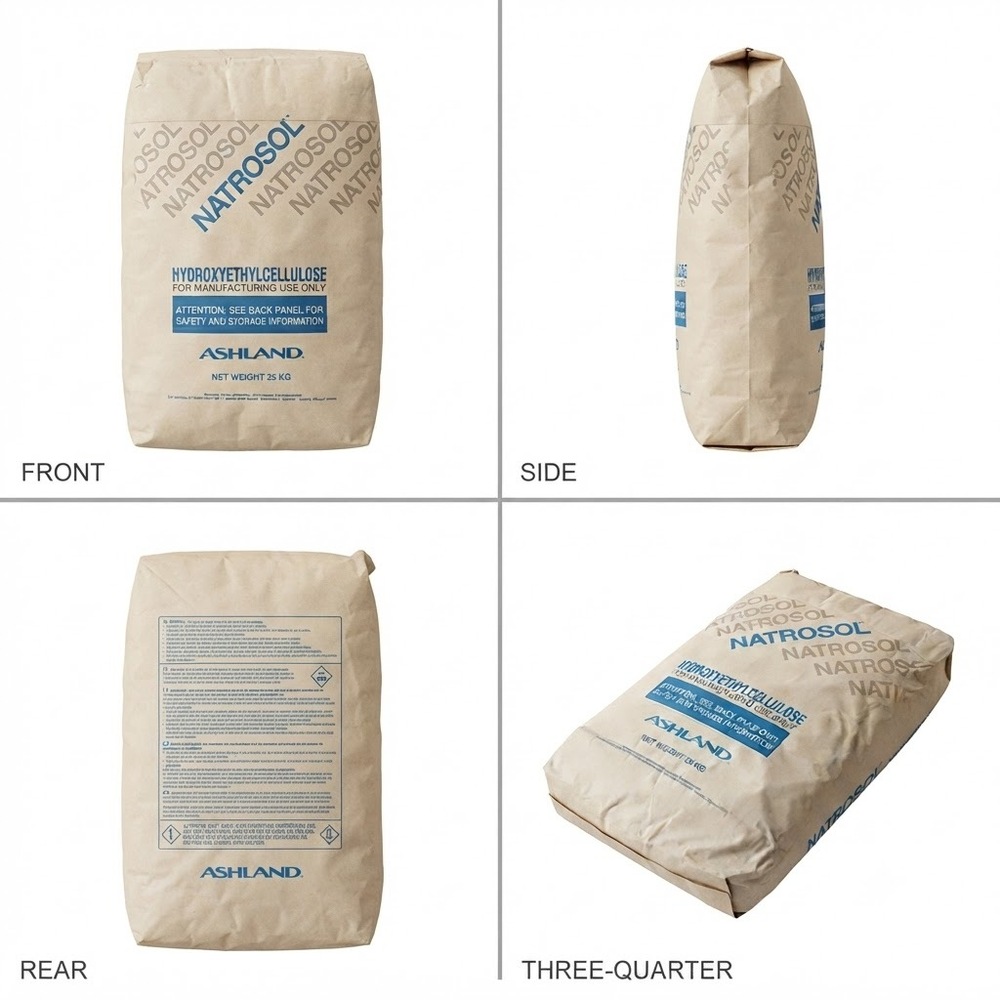


HEC Natrosol 250 LR Specification
- Purity
- 99% (Typical)
- Boiling point
- Not Applicable
- Storage
- Keep away from moisture
- Solubility
- Soluble in Cold Water
- HS Code
- 39123900
- Other Names
- HEC
- Chemical Name
- Natosol 250 LR (Hydroxyethyl cellulose)
- CAS No
- 9004-62-0
- EINECS No
- 618-387-5
- Grade
- Industrial Grade
- Standard
- Industrial Standard
- Type
- Thickening Agent / Rheology Modifier
- Usage
- Natrosol 250 LR, as a grade of hydroxyethylcellulose (HEC) specifically formulated for paints and coatings, serves several key purposes in this industry: 1. **Viscosity Control:** - It is primarily used as a rheology modifier to control the viscosity of paint formulations. This helps in achieving desired flow properties during application and ensures proper coating thickness. 2. **Improved Application Properties:** - Natrosol 250 LR enhances the workability and application characteristics of paints. It helps in reducing spattering and dripping, thereby improving the overall user experience during painting. 3. **Stabilization of Formulations:** - It contributes to the stability of paint formulations by preventing phase separation and sedimentation of pigments and other additives. This ensures uniform distribution of solids throughout the paint. 4. **Binder Compatibility:** - Natrosol 250 LR acts as a thickener and binder in water-based paints, improving adhesion to various substrates and providing film formation properties. 5. **Water Retention:** - It enhances the water retention capability of paints, which is crucial for maintaining workable viscosity over time and reducing drying out during application. 6. **Environmental Benefits:** - Being a water-soluble polymer, Natrosol 250 LR is environmentally friendly and contributes to the formulation of low-VOC (volatile organic compound) paints. 7. **Versatile Application:** - It is used in a variety of paint formulations including interior and exterior paints, architectural coatings, industrial coatings, and decorative paints. Overall, Natrosol 250 LR plays a critical role in improving the performance and application properties of water-based paints and coatings, making it a preferred choice for manufacturers seeking consistency, stability, and user-friendly characteristics in their products.
- Main Material
- Hydroxyethyl Cellulose (HEC)
HEC Natrosol 250 LR Trade Information
- Minimum Order Quantity
- 25 Kilograms
- Supply Ability
- 10000 Kilograms Per Month
- Delivery Time
- 7 Days
- Sample Available
- Yes
- Sample Policy
- Sample costs shipping and taxes has to be paid by the buyer
- Packaging Details
- Paper bag original packed by manufacturer
- Main Domestic Market
- All India
About HEC Natrosol 250 LR
Natrosol 250 LR is a type of hydroxyethylcellulose (HEC) commonly used in various industries, including personal care products, paints, and pharmaceuticals. A short specification for Natrosol 250 LR typically includes essential details such as:
1. Chemical Composition Hydroxyethylcellulose
2. Appearance Off-white to tan powder
3. Viscosity (2% Solution) Typically around 250 cP (centipoise)
4. Particle Size Typically fine powder with a specified range
5. pH (1% Solution) Typically neutral (around 6.5 to 8.0)
6. Moisture Content Typically specified to ensure product stability
7. Solubility Soluble in water to form clear or slightly hazy solutions
8. Application Commonly used as a thickener, stabilizer, or film-former in various formulations
These specifications may vary slightly depending on the manufacturer or specific grade of Natrosol 250 LR. For precise applications or formulations, manufacturers often provide more detailed technical data sheets that include additional parameters and performance characteristics.
Enhance Paint Quality and Performance with Natrosol 250 LR
Natrosol 250 LR is engineered to optimize the flow, workability, and consistency of water-based paints. Its function as a rheology modifier not only provides precise viscosity but also enhances user experience during painting by minimizing drips and ensuring smooth application. By stabilizing pigment distribution, Natrosol 250 LR helps prevent phase separationresulting in an even finish and reliable performance across diverse environments.
Environmental Impact and Safety
As a water-soluble and low-VOC ingredient, Natrosol 250 LR offers significant environmental advantages for manufacturers and users alike. Its use supports the creation of eco-friendly paint products that meet strict environmental regulations without compromising on quality. Additionally, its non-toxic nature and stability make it safer to handle in industrial settings.
FAQs of HEC Natrosol 250 LR:
Q: How does Natrosol 250 LR improve the performance of water-based paints?
A: Natrosol 250 LR functions as a rheology modifier and stabilizer, helping to control viscosity, reduce spattering, and prevent phase separation. This ensures smooth application, uniform pigment dispersion, and consistent coating quality.Q: What are the main benefits of using Natrosol 250 LR in paint formulations?
A: The key benefits include enhanced viscosity control, improved workability, increased water retention, strong binder compatibility, and greater environmental friendliness due to its low-VOC and water-soluble properties.Q: Where can Natrosol 250 LR be applied in the coatings industry?
A: Natrosol 250 LR is suitable for use in various formulations including interior and exterior paints, architectural coatings, industrial coatings, and decorative paints, offering versatility across multiple application scenarios.Q: What is the correct process for adding Natrosol 250 LR to paint formulations?
A: Natrosol 250 LR should be gradually dispersed in water under continuous stirring to avoid clumping. Once fully hydrated, it can be integrated with other paint components, providing the desired viscosity and stability to the final formulation.Q: How should Natrosol 250 LR be stored to maintain product quality?
A: To ensure product integrity, Natrosol 250 LR should be stored in a dry, moisture-free environment and kept sealed until use. Proper storage prevents lump formation and degradation.Q: What environmental benefits does Natrosol 250 LR offer in paint manufacturing?
A: As a water-soluble polymer, Natrosol 250 LR supports the production of low-VOC and eco-friendly paints, helping manufacturers comply with environmental standards while reducing the impact on indoor and outdoor air quality.Technical Details 

Price:
- 50
- 100
- 200
- 250
- 500
- 1000+

More Products in Natrosol Category
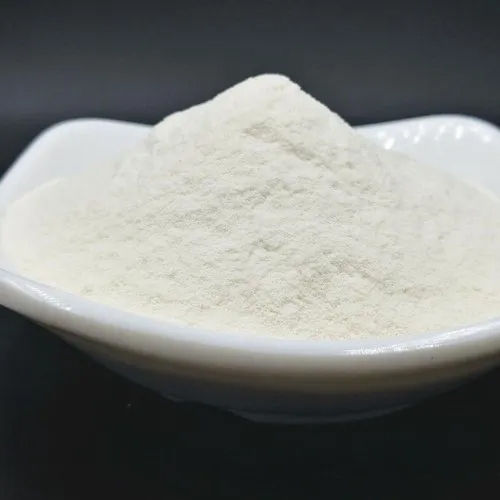
Natrosol 250 LR Hydroxyethyl Cellulose
Price 1200 INR / Kilograms
Minimum Order Quantity : 25 Kilograms
Purity : 100%
Storage : Keep away from moisture
Purity(%) : 100%
Solubility : Water soluble

Developed and Managed by Infocom Network Private Limited.

